
"farmer roaster"
2000 article(s) found
Coffee basic knowledge Coffee Bean grading system
Coffee beans in many places are also traded according to the grading system, such as AA (Kenya AA) in Kenya, Supremo (Colombian Supremo) in Colombia, etc., which can be graded in many ways: according to the size of coffee beans, by the altitude at which coffee beans grow, and some by the performance of the final cup. The definition of grading standard is generally

What are the best roasting methods for coffee? The difference between direct fire, semi-hot air direct fire and hot air
The roasting method of ◎ selected coffee will be fascinated by people. The key lies in the aroma formed after roasting and the taste and flavor of drinking. The raw coffee bean itself does not have any special taste. However, "roasting" is like magic, which completely changes and reorganizes the substances inside the raw coffee beans to form a new structure. With a strong flavor, it has become the human mind.

Variety Information and Flavor description of Iron pickup Coffee Bean
For the exchange of professional baristas, please follow the coffee workshop (Wechat official account cafe_style) [Typica] Tibica species closest to the original species. The bean shape is slightly longer, like an elongated egg, known as Arabigo or criollo in Central America. It has a clean citric acid taste, sweet aftertaste, low resistance to leaf rust, not easy to take care of, low seed setting of trees, and long harvest period.
Rwanda Coffee Plantation Rwanda Coffee Region
Rwandans have been growing coffee since colonial times, but until 1999, the product was classified as below grade C and was not available on the global market. The reason for the poor quality is that farmers do not have a fixed procedure for cleaning coffee beans, and they do not process coffee fruits according to specifications in time. Buyers pay $0.33 a kilo for coffee beans, farmers keep warm on the meager margins they earn at low prices
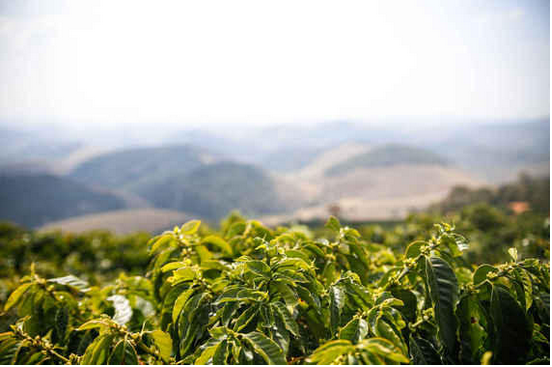
What are the nine links to distinguish between "good coffee" and "bad coffee"?
How to judge good coffee and bad coffee? Finally, an expert is willing to make it clear! Clancy Rose, the second winner of the 2015 US Coffee Championship Baker selection Award, teaches you to distinguish between good and bad coffee from nine aspects: in addition to the differences in coffee beans themselves, the growth environment, climate, aroma, drying and storage time of coffee all affect the quality of coffee. Coffee bean growing place

Quality coffee bean certification organization 4C Association Coffee Certification
4C certification is a widely accepted management rule in the world, which involves the sustainable development of coffee cultivation, production, processing and other aspects of the supply chain, including social, environmental and economic principles. Coffee practitioners are required to protect biodiversity, protect all kinds of national endangered animals and plants, correctly use and handle pesticides and other chemicals, protect the natural environment and
Nine links teach you to tell the good from the bad of coffee beans
Most people do not have much contact with coffee, and it is very rare to be able to identify the type of coffee from coffee beans. Even if you are lucky enough to know coffee, you may not go through everything from beans to liquids. Coffee is good and bad, so how can we identify it? 1. Coffee beans grow in microclimate coffee has many shapes and sizes, although most of them are the same shape, but it is best to correspond.

What are the nine links to distinguish between "good coffee" and "bad coffee"? Judge between coffee and coffee
Clancy Rose, the second winner of the 2015 US Coffee Championship Baker selection Award, teaches you to distinguish between good and bad coffee from nine aspects: in addition to the differences in coffee beans themselves, the growth environment, climate, aroma, drying and storage time of coffee all affect the quality of coffee. Coffee beans grow in microclimate coffee has many shapes and sizes, although most of them are the same shape.

Rwandan coffee production process Rwandan coffee history
The first problem for Malaba coffee farmers is to set up a cleaning station. The coffee fruit must be transported to the cleaning station to wash the sugar under the skin of the coffee bean within 12 hours after picking, otherwise the flavor of the coffee will be greatly damaged. In July 2001, with UNR, the Ministry of Culture and Industry of Rwanda (Office des Cultures Industrielles du Rwanda,OCIR-Caf), ACD

Ethiopian Red Cherry Project (Operation Cherry Red) Red Cherry Coffee Curve
Professional baristas Please follow the Coffee Workshop (Wechat official account cafe_style) is an EU project proposed by the Dutch government to encourage Ethiopian coffee farmers to produce better quality coffee beans and surprise roasters. Origin: led by the Dutch Trabocca BV Trading Company (partially sponsored by the Dutch government), providing financial loan support, new

How should coffee lovers distinguish between "good coffee" and "bad coffee" on Taobao?
Communication of professional baristas Please pay attention to the coffee workshop (Wechat official account cafe_style) A good cup of coffee depends on good coffee beans, while the growth environment, climate, aroma, drying treatment and storage time of coffee beans all affect the quality of coffee. Coffee is a drink made from roasted coffee beans (seeds of coffee plants). It is usually a hot drink, but also
The following are the most commonly used packaging methods for the storage of raw coffee beans
Until recent years, all coffee beans were packed in gunny bags, transported in containers, and could not reach the roasters until a few months after the beans were processed. If roasters and importers occasionally want to test coffee beans from their origin, or taste samples before shipment, they will receive coffee beans that have been damaged by the poor atmospheric environment during storage or transportation.

What are the nine links to distinguish between "good coffee" and "bad coffee"?
Clancy Rose, the second winner of the 2015 US Coffee Championship Baker selection Award, teaches you to distinguish between good and bad coffee from nine aspects: in addition to the differences in coffee beans themselves, the growth environment, climate, aroma, drying and storage time of coffee all affect the quality of coffee. How to judge good coffee and bad coffee? Finally, an expert is willing to make it clear! 2015 American coffee
The life course of coffee the process from seedling to coffee bean
A small grain of rice contains the hope of the farmers in spring, the sweat of summer, the joy of autumn, and the meticulous work of the mill workers, and when my mother brings us a bowl of delicious rice, how can the love contained in it be filled with a bowl? Therefore, everyone, even after eating all the big meals, still think that the food cooked by his mother is the most delicious, not in the world.

A brief introduction to the introduction to Coffee roasting, the complete Book of Coffee self-baking
When the author published the first edition of this book in 1996, roasting coffee beans at home was something that only tireless coffee addicts would do. At that time, roasting coffee beans was a very difficult thing to master, and roasters had to work hard to find a way to roast coffee beans to a moderate brown. Today, individuals still roast coffee beans at home.

Release of Coffee in Yunnan Coffee Bean Roaster structure Diagram
The western and southern parts of Yunnan Province are located between the 15th latitude and the Tropic of Cancer. Most areas are 1000-2000 meters above sea level. The topography is dominated by mountains and slopes. Here, the land is fertile, the sunshine is sufficient, the rainfall is abundant, and the temperature difference between day and night is large. The unique natural conditions form the special taste of Yunnan small-grain coffee, which is rich but not bitter, fragrant but not strong, slightly fruity. Pu'er in the south and west of Yunnan

The introduction to coffee roasting recommends the complete Book of Coffee self-baking.
When the author published the first edition of this book in 1996, roasting coffee beans at home was something that only tireless coffee addicts would do. At that time, roasting coffee beans was a very difficult thing to master, and roasters had to work hard to find a way to roast coffee beans to a moderate brown. Today, individuals still roast coffee beans at home.
A brief History of our Coffee drinking Chinese Coffee Market
If you jump out of the framework of making coffee and look at China's coffee retail market from a big market point of view.
The output of Arabica coffee beans in Yunnan has increased steadily and the quality has improved to the level of coffee beans in Central America.
The production of Yunnan Arabica coffee beans (arabica, also known as small-grain coffee) has been growing steadily over the past decade. Volcafe, a well-known multinational coffee trader, has set up a procurement and processing joint venture in Yunnan, a move that is expected to boost China's exports of high-quality coffee beans. Traders say its quality has improved to a level comparable to Central American coffee beans. Over the past 10 years

Introduction to the flavor of Sidamo Red Cherry Project Operation Cherry Red Cambedo Sun Coffee
Professional baristas please follow the coffee workshop (Wechat official account cafe_style) Ethiopia Sidamo Red Cherry Project Operation Cherry Red Cambedo Sun Bean operation Cherrie Red "Red Cherry Initiative" (ORC) is a project to improve the quality of small-scale farms, mainly to encourage soybean farmers and surprise roasters, the largest coffee bean seller in the Netherlands.